Art of Manga
The deYoung Museum
2025
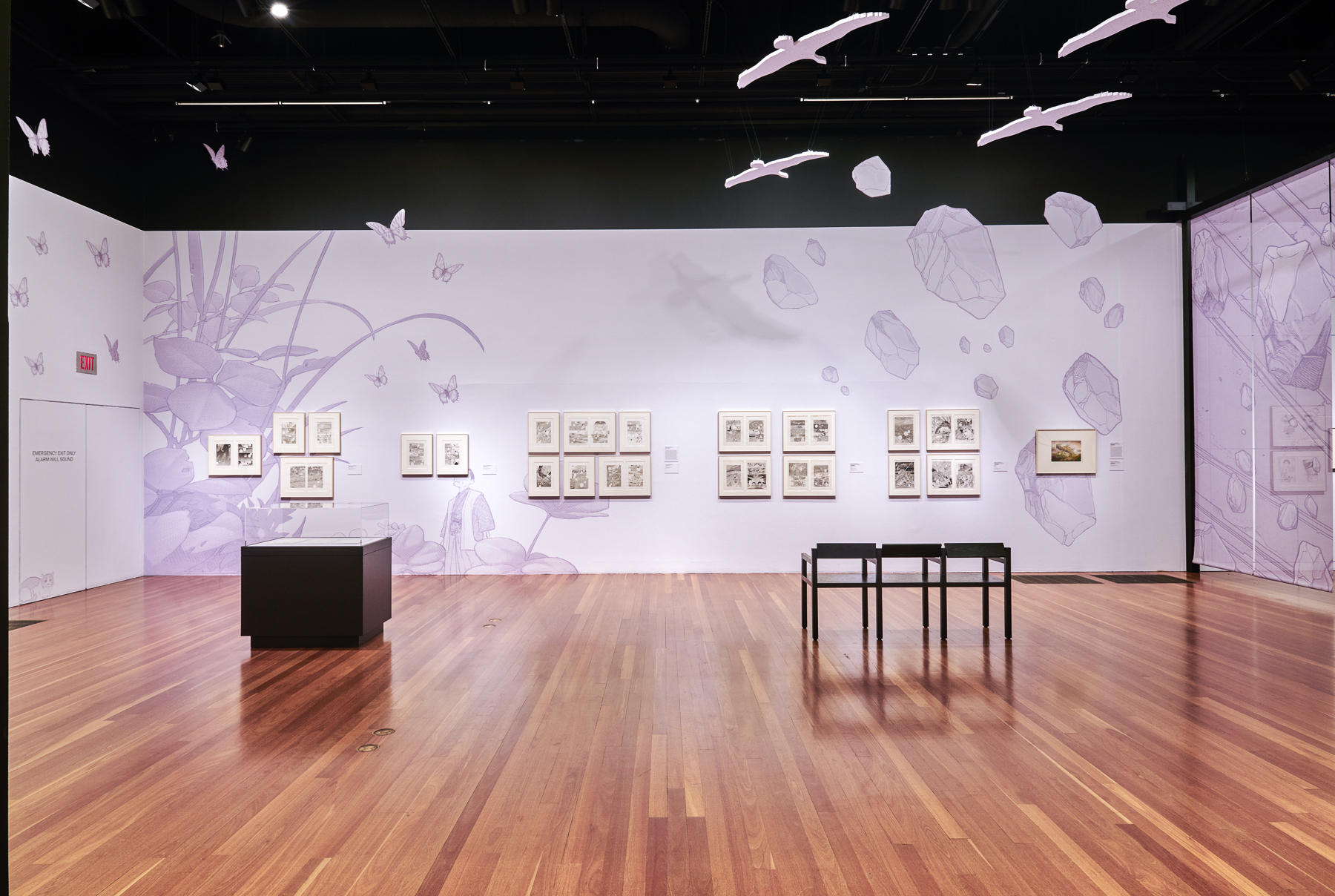
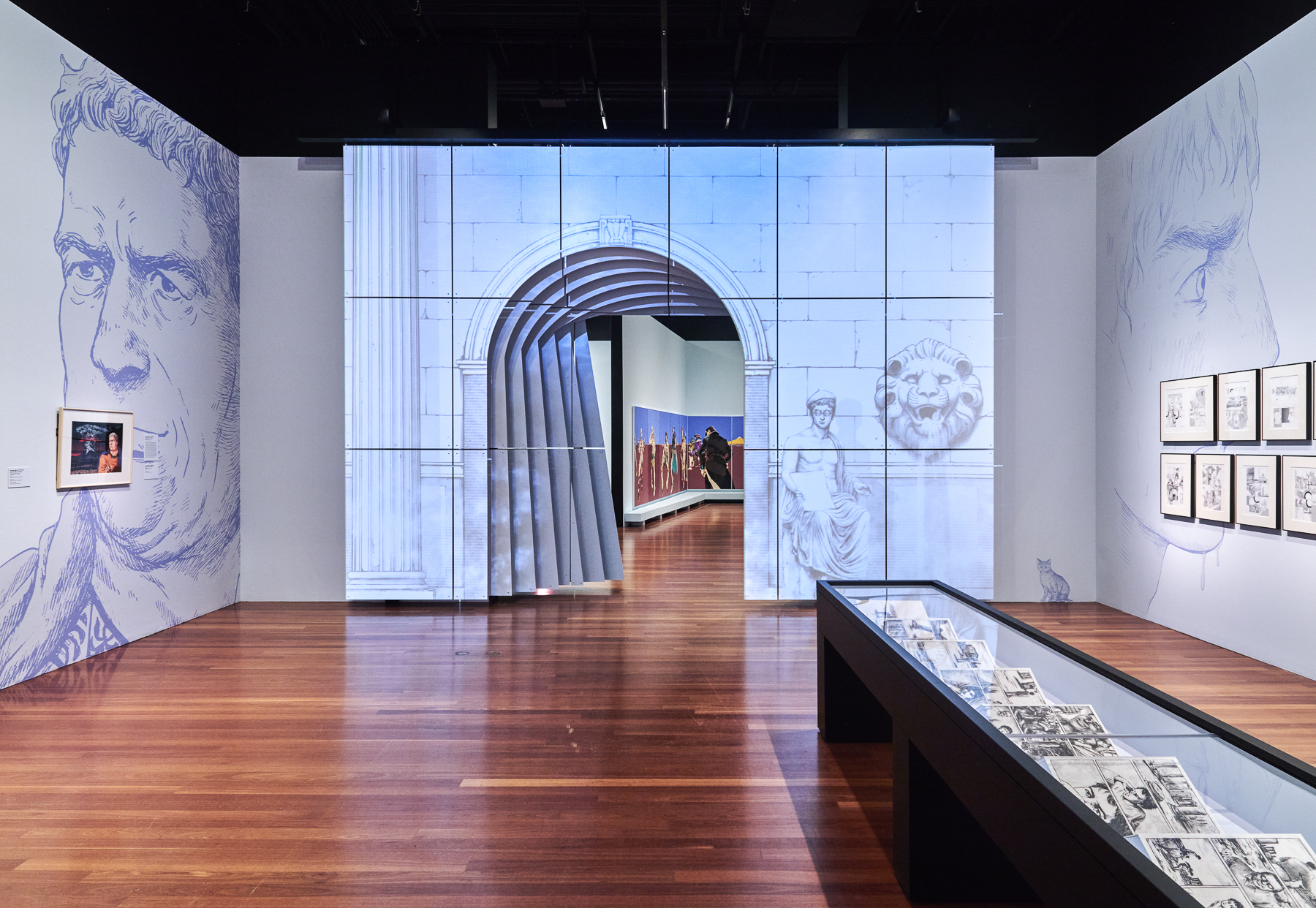
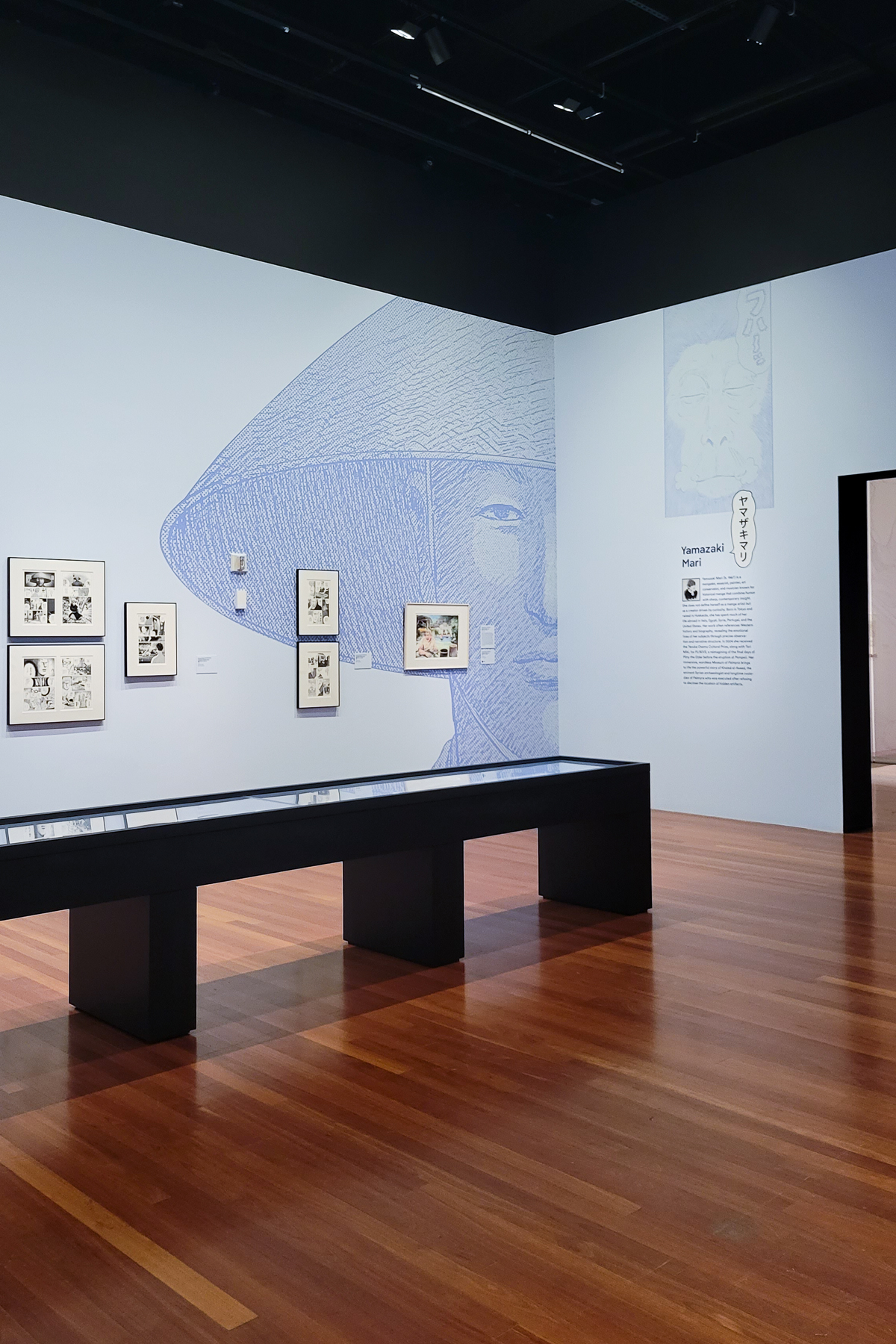
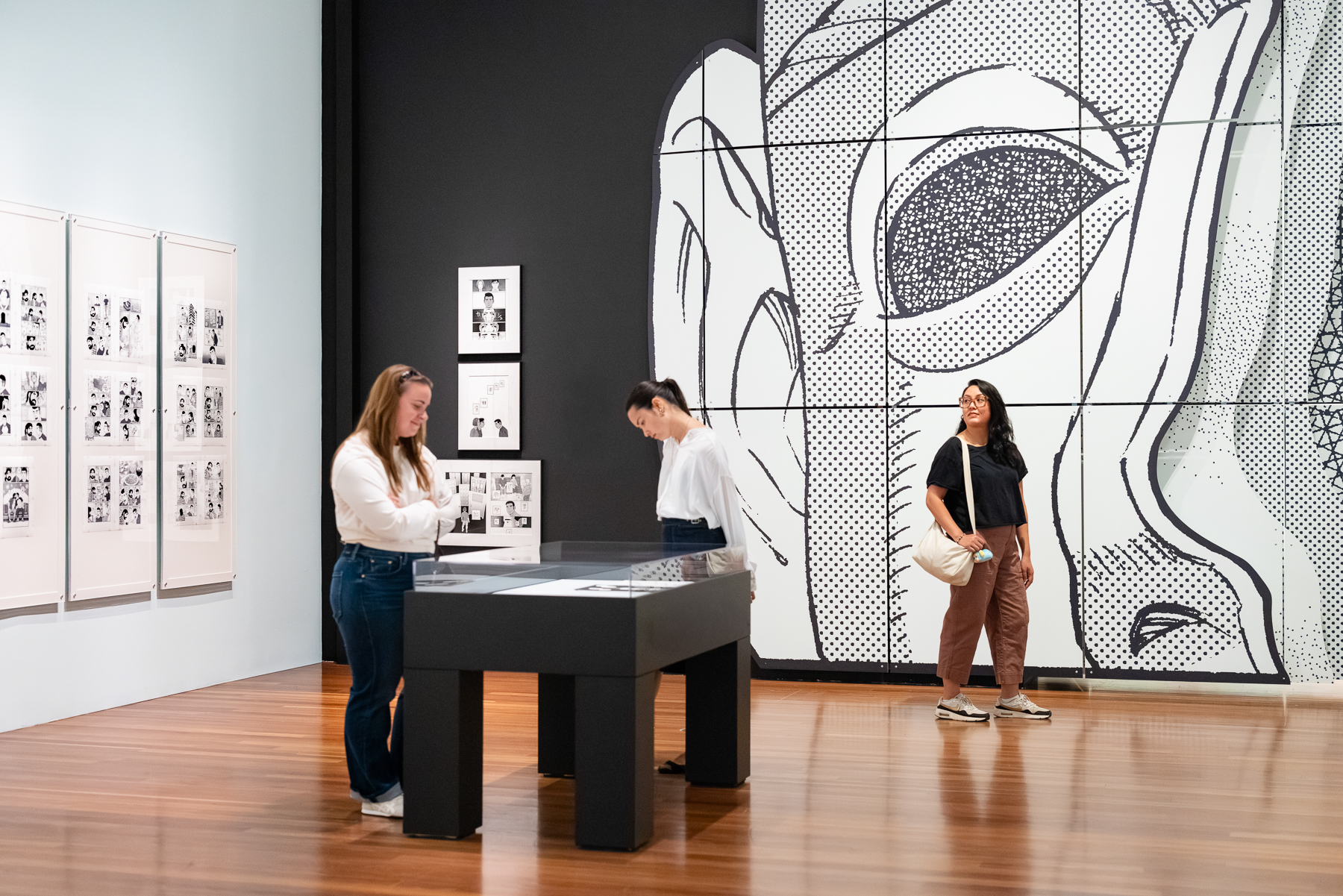
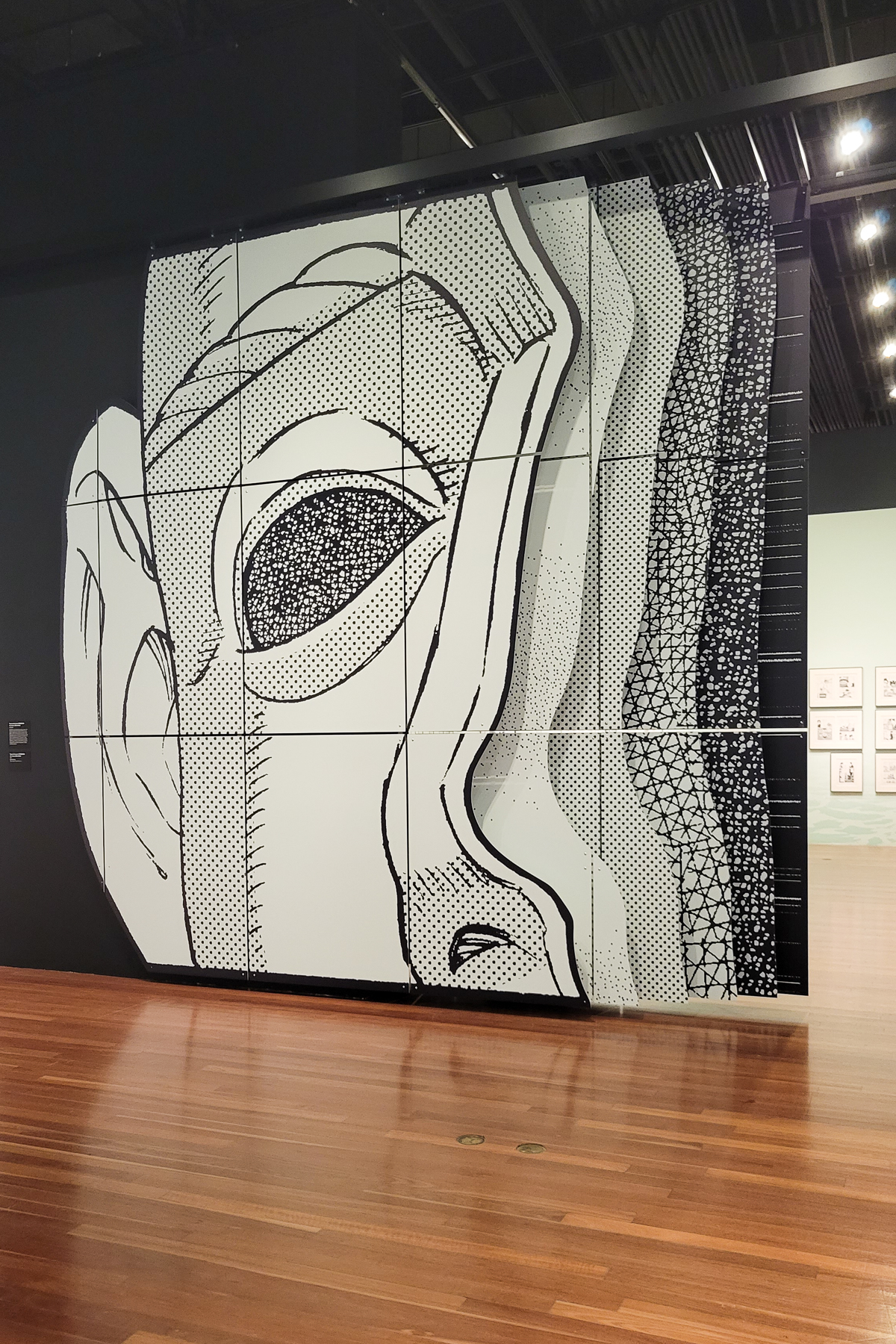
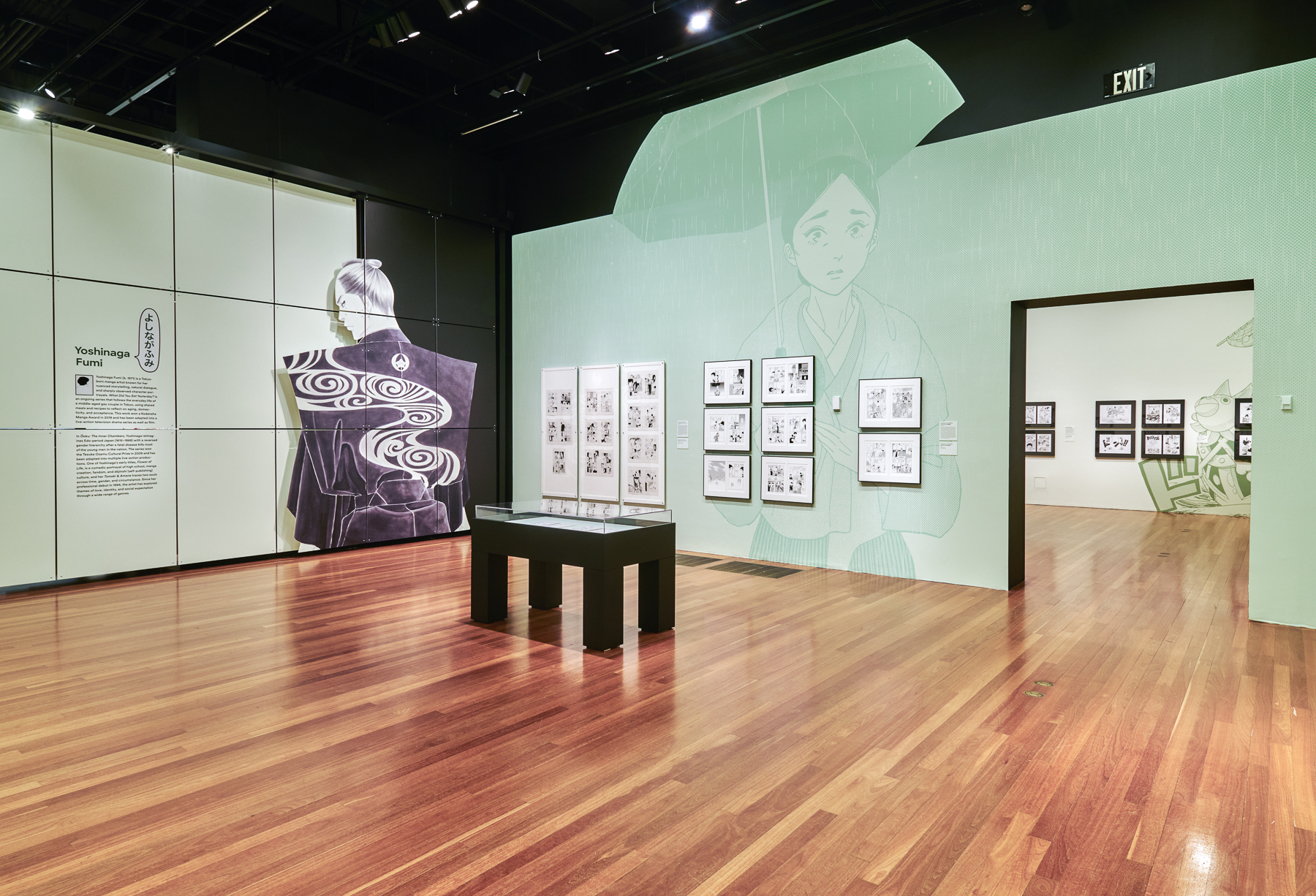
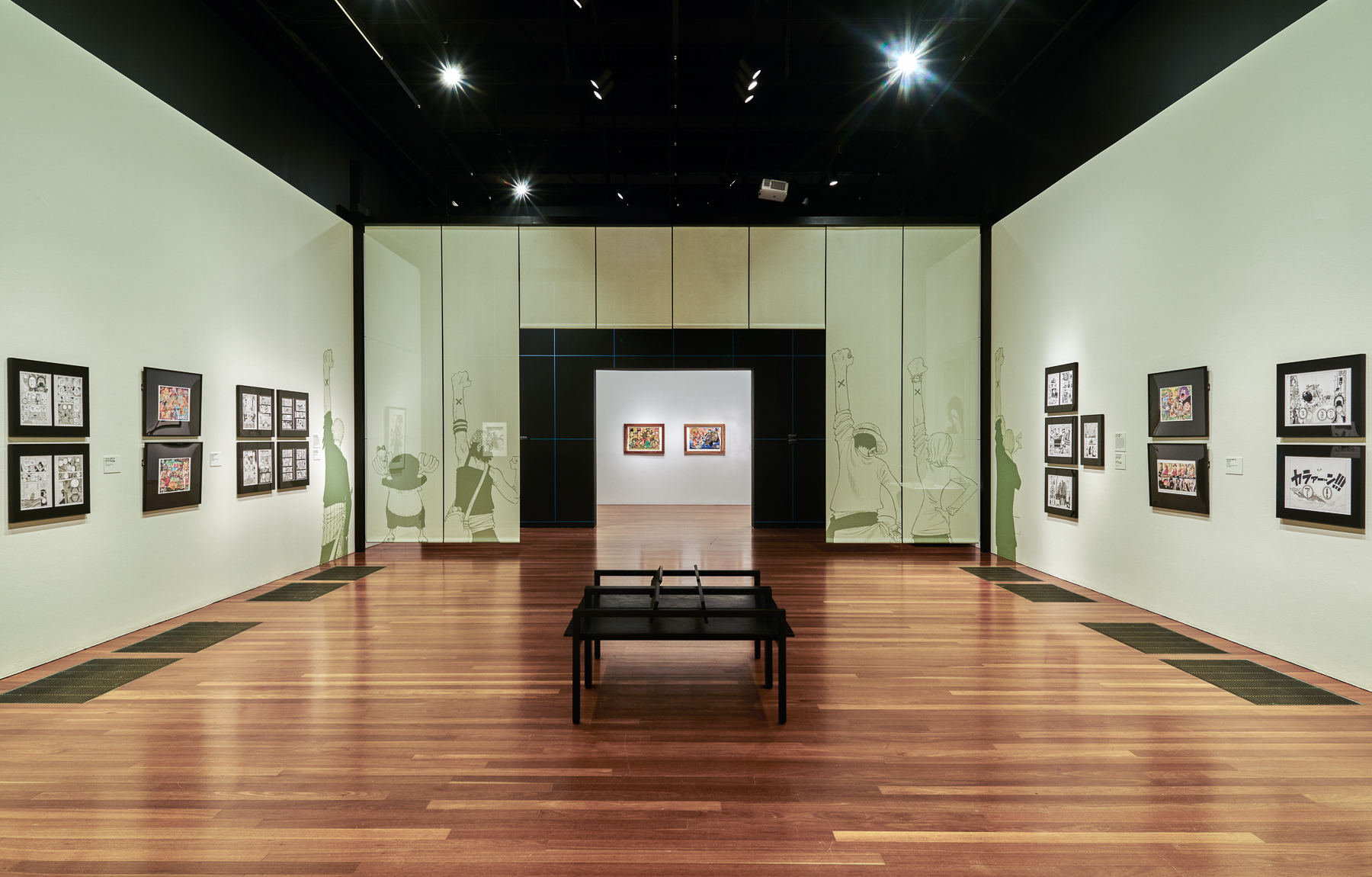
Featuring rarely presented original drawings by major artists, this exhibition showcases the world of manga from the 1970s to today. The exhibition explores manga as a powerful medium for visual storytelling, highlighting themes across genres, from friendship to sexuality to the human condition. Looking closely at each artist’s narrative worlds and creative processes, the exhibition also spotlights manga’s cultural impact today and possibilities for the future.
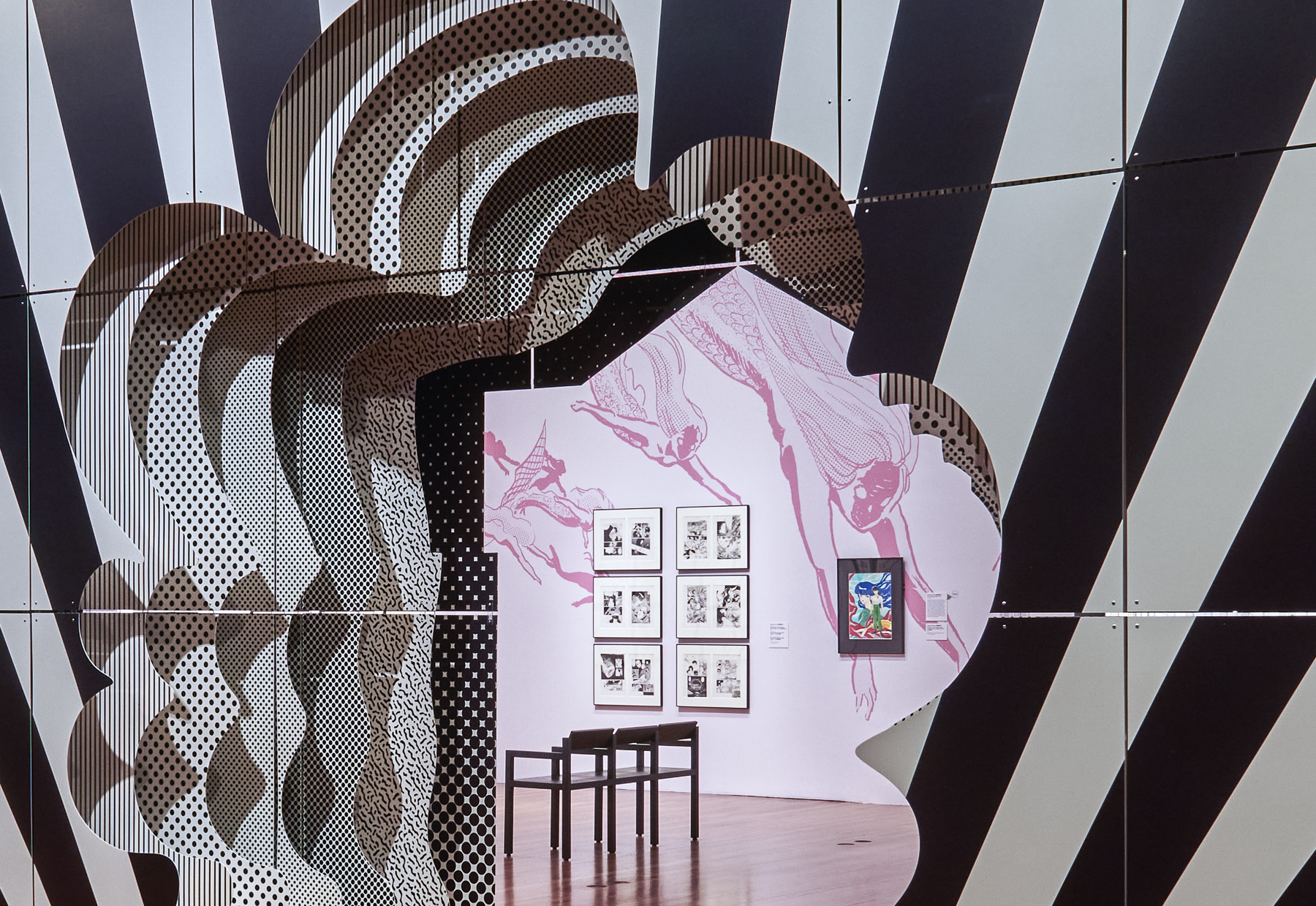
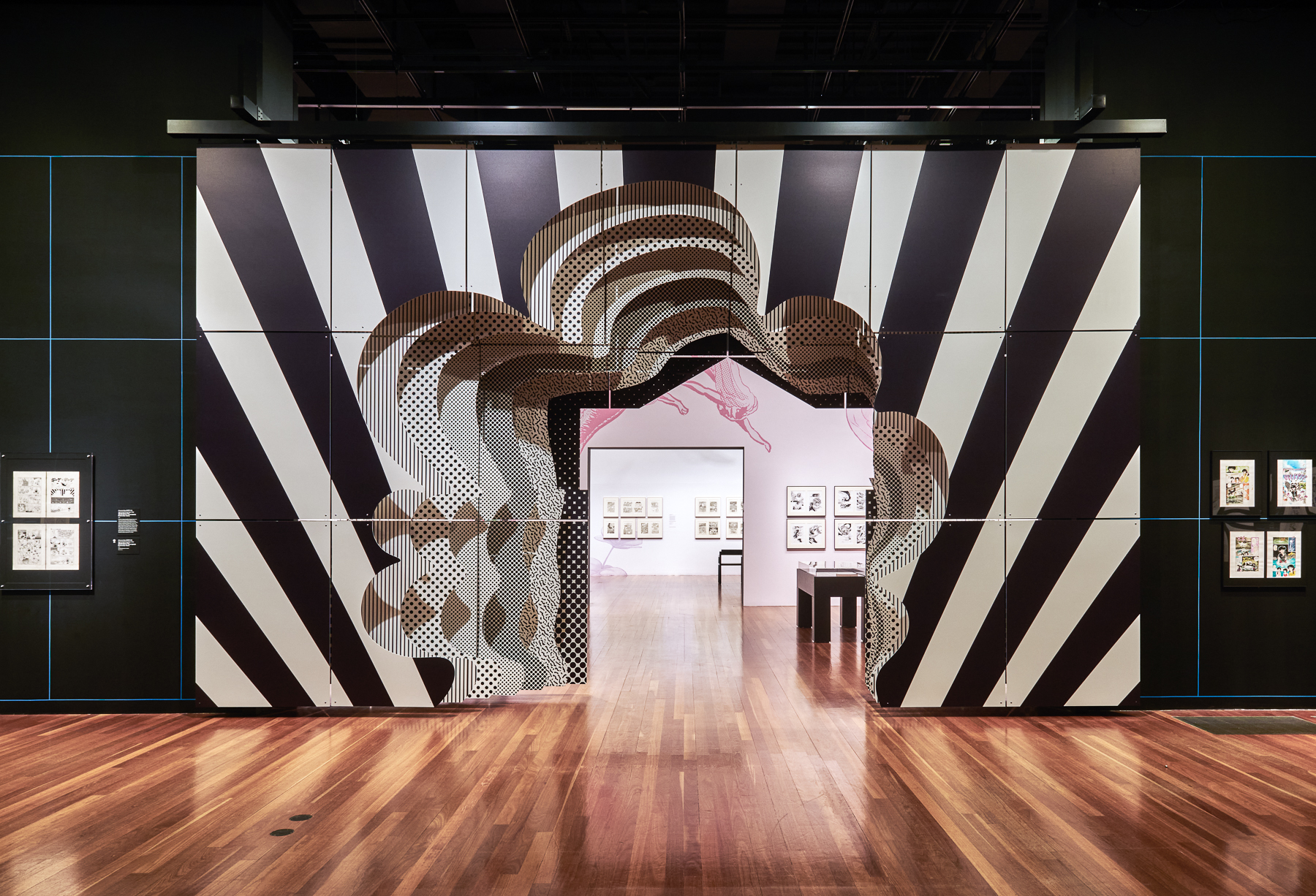
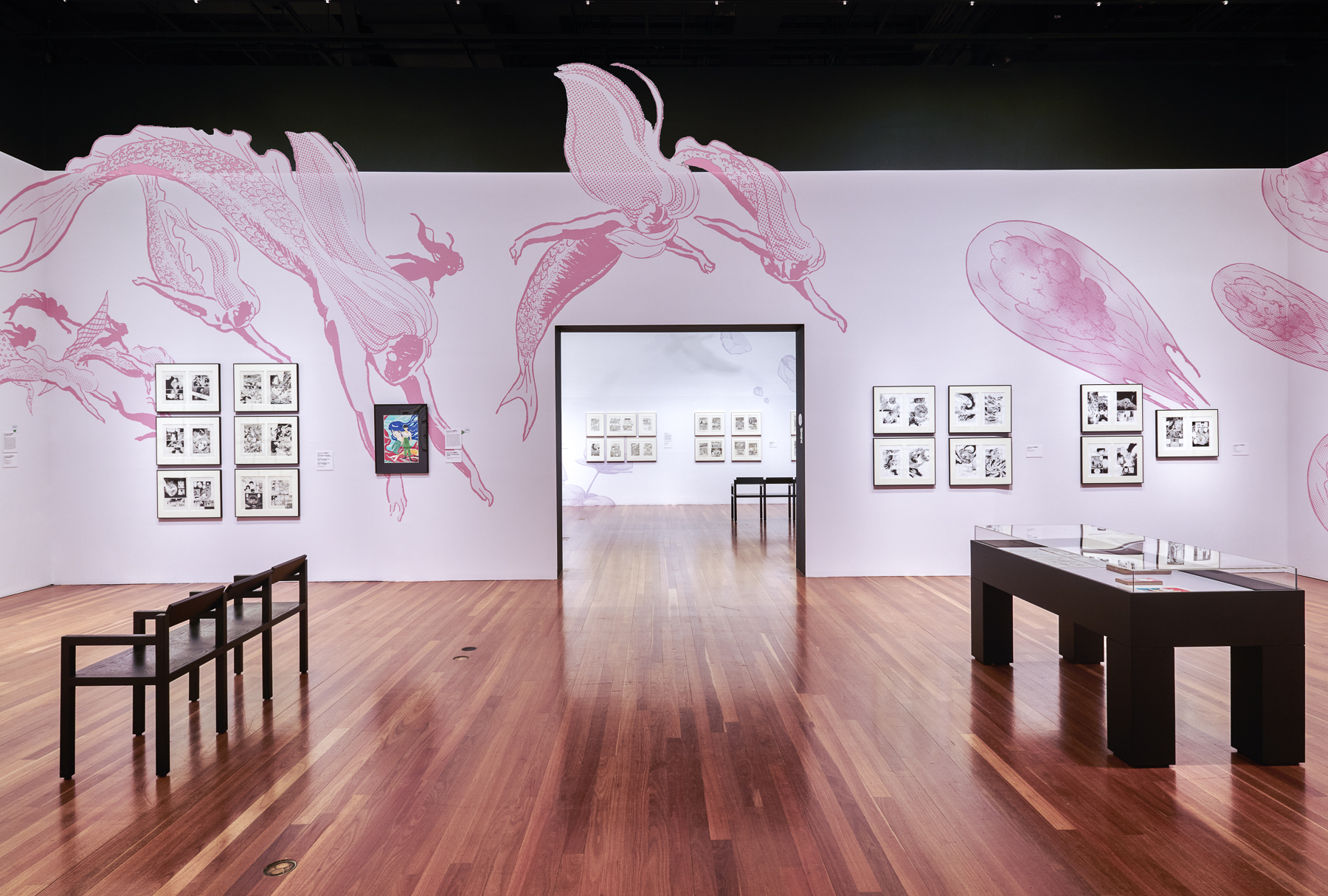
In developing a spatial and visual design for the Art of Manga exhibition, we delved into the intrinsic relationship between Japanese architecture and manga. In creating their worlds and compositions on the flat plane of a page, manga artists employ many of the principles found in traditional and contemporary architecture in Japan. The repetitive layering of spaces or elements (as seen in Edo-period homes or torii gates to Shinto shrines) and the incorporation of scenery into the architectural space through framing devices is the foundation for most manga compositions.
The main compositional layers of manga can be reduced to the following four, from “back to front” and from most static to most fluid. Every artist develops their own language and manipulation of these in their own way:
1. Scenery (most static) 2. Characters 3. Speech or thought bubbles 4. Atmospheric sound effects (most fluid)
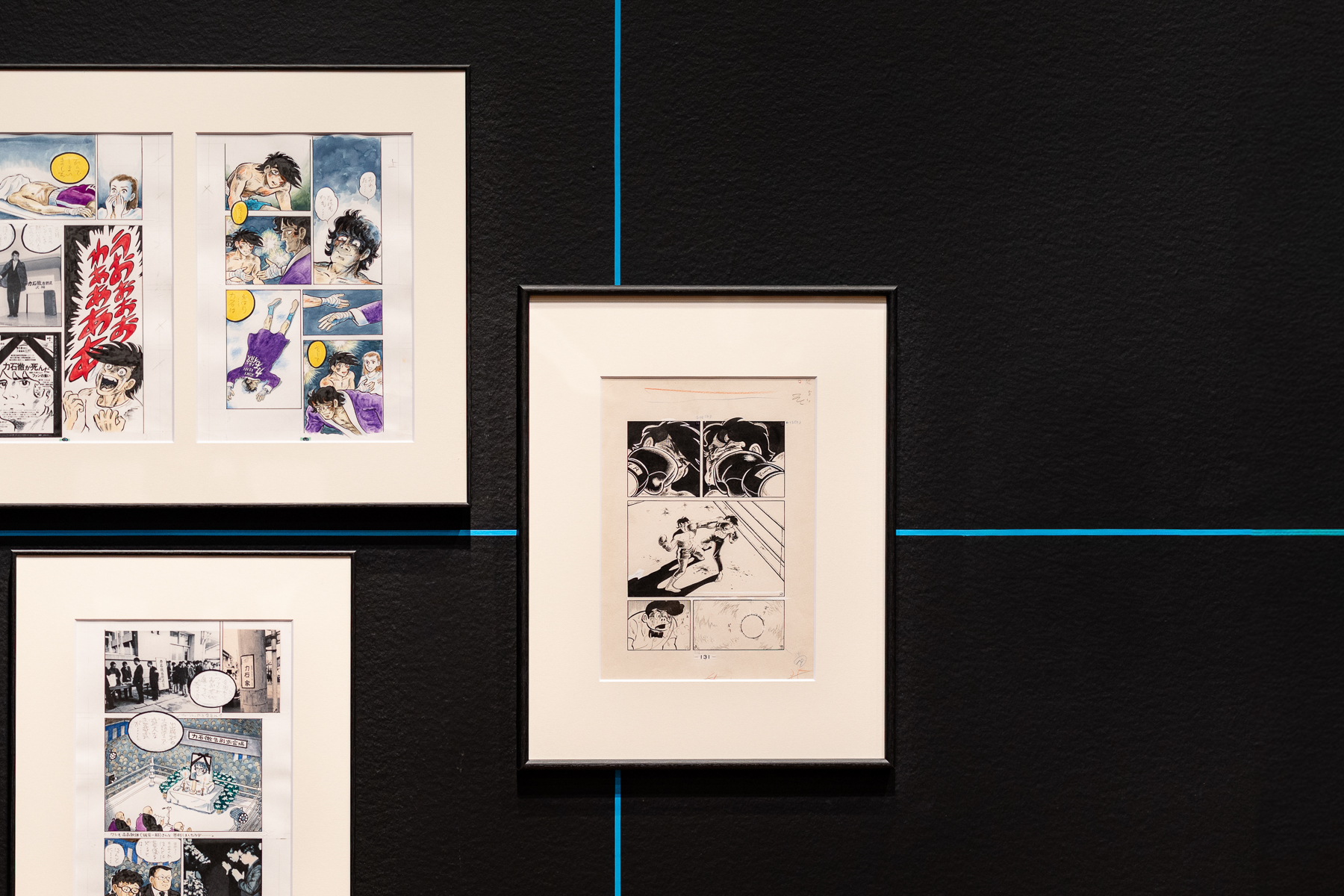
Manga’s rapid-pace is only possible through a systematic approach to the process of creating and reading it. In the 1960’s and 1970’s, a generation of japanese architects and urbanists, which came to be known as the Metabolists, championed an approach to urban design that prioritized systems and modularity to organize infrastructure and urban life. This manifested at many scales, but the main recurring element was grids. Grids are expansive organizational elements, but grid systems can be designed, altered and broken according to a set of rules. Similarly, Manga artists create sets of rules that guide their pages and their storytelling. Manga artists and their readers rely on these systems to create and read complex storylines with various characters, dialogue, and emotions. There’s an acceptance of a system, knowing that there are ways to generate unique forms of expression within it.
![]()
The artists exhibited were Chiba Tetsuya, Akatsuka Fujio, Takahashi Rumiko, Taniguchi Jiro, Yamazaki Mari, Araki Hirohiko, Yamashita Kazumi, Tagame Gengoroh, Yoshinaga Fumi, Oda Eiichiro, and Tanaami Keiichi.
In developing a spatial and visual design for the Art of Manga exhibition, we delved into the intrinsic relationship between Japanese architecture and manga. In creating their worlds and compositions on the flat plane of a page, manga artists employ many of the principles found in traditional and contemporary architecture in Japan. The repetitive layering of spaces or elements (as seen in Edo-period homes or torii gates to Shinto shrines) and the incorporation of scenery into the architectural space through framing devices is the foundation for most manga compositions.
The main compositional layers of manga can be reduced to the following four, from “back to front” and from most static to most fluid. Every artist develops their own language and manipulation of these in their own way:
1. Scenery (most static) 2. Characters 3. Speech or thought bubbles 4. Atmospheric sound effects (most fluid)
Manga’s rapid-pace is only possible through a systematic approach to the process of creating and reading it. In the 1960’s and 1970’s, a generation of japanese architects and urbanists, which came to be known as the Metabolists, championed an approach to urban design that prioritized systems and modularity to organize infrastructure and urban life. This manifested at many scales, but the main recurring element was grids. Grids are expansive organizational elements, but grid systems can be designed, altered and broken according to a set of rules. Similarly, Manga artists create sets of rules that guide their pages and their storytelling. Manga artists and their readers rely on these systems to create and read complex storylines with various characters, dialogue, and emotions. There’s an acceptance of a system, knowing that there are ways to generate unique forms of expression within it.
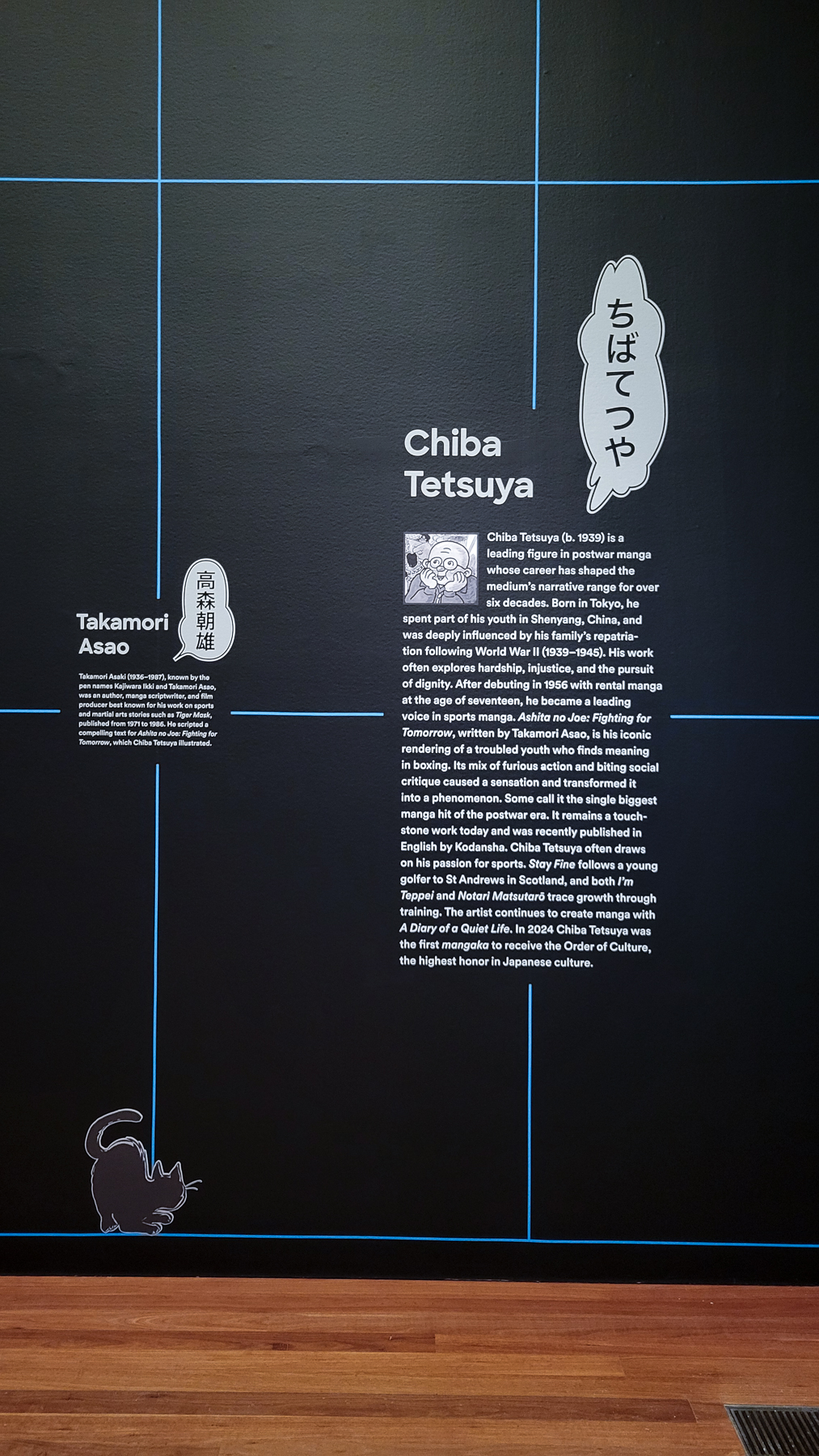
The artists exhibited were Chiba Tetsuya, Akatsuka Fujio, Takahashi Rumiko, Taniguchi Jiro, Yamazaki Mari, Araki Hirohiko, Yamashita Kazumi, Tagame Gengoroh, Yoshinaga Fumi, Oda Eiichiro, and Tanaami Keiichi.